
By Christopher Reintz · November 10, 2026 · 4 min read
The Agency Model Clients No Longer Need
There’s plenty of industry chatter about the relevance of holding companies in today’s advertising world—and few people seem eager to defend them. Their leaders still tout their expertise and scale, but the virtues of these behemoths increasingly look like vices.
When I began my career in the early 1990s, joining a powerful global holding company was the gold standard. It signaled that you had arrived, opened doors to major clients and renowned creative talent, and offered opportunities to travel and work around the world. For a kid from the Midwest, the Madison Avenue glamour—and the credibility that came with it—paid dividends.
Holding companies weathered earlier challenges, including the rise of independent “boutique” shops in the late 1990s and early 2000s. They acquired the rebels, absorbed their creative energy, and added it to their balance sheets.
So why worry now?
Clients Have Changed—and Built Their Own Machines: Today’s chief marketing officers face relentless pressure to deliver measurable business impact quickly. They have less patience and budget for sprawling real estate, opaque overhead, layered account teams, and slow internal reviews.
More important, brands have become self-reliant. Many have built internal creative and production studios, bringing talent in-house to retain control of first-party data, shorten timelines, and reduce the friction of explaining their brand to a rotating cast of agency leads.
When an internal team can conceive, produce, and launch a digital campaign before an agency finishes a statement of work, the traditional AOR retainer becomes harder to justify. Holding companies aren’t just competing with networks and boutiques; they’re being disintermediated by clients who see them as an occasional expense, not an essential partner.
The Talent Equation Has Broken: Holding companies once attracted daring thinkers with big budgets, bright spotlights, and the promise of legitimacy. But inside many networks, the work can feel less like an atelier and more like an industrial processing plant.
Margin pressure and cost-cutting have left seasoned craftspeople buried in timesheets, procurement checklists, and inter-agency turf wars. Many of the creative talent and entrepreneurial problem-solvers who built these institutions have moved to specialist collectives, in-house teams, consultancies, or independent networks—places where execution can come before bureaucracy.
Technology Dismantled the Moat: For decades, holding companies relied on structural advantages: proprietary media tools, exclusive research, and production capacity few others could afford. Generative technology and modular infrastructure have weakened those barriers.
A small shop—or an internal brand team—can now use AI platforms, targeted data, and freelance networks to develop insights and creative work in days. When media is programmable and production can be assembled on demand, the holding company’s complex matrix can become a handicap rather than an advantage.
The Conflicted Core: The model promised seamless collaboration across creative, public relations, media, and digital experience. In practice, clients often encountered competing profit-and-loss priorities, separate invoices, duplicated overhead, and endless handoffs.
The discontent is clear. In February 2026, WPP CEO Cindy Rose said in an interview with Campaign UK:
“We don’t want to be a holding company any more.”
Can’t say we blame you, Cindy Rose.
The Antidote: The Rise of Icehouse: If holding company leaders are trying to outrun the label, the era of the lumbering empire may be ending. But brands still need to launch products, tell stories, and win consumers. If holding companies are bloated and internal teams are stretched, what comes next?
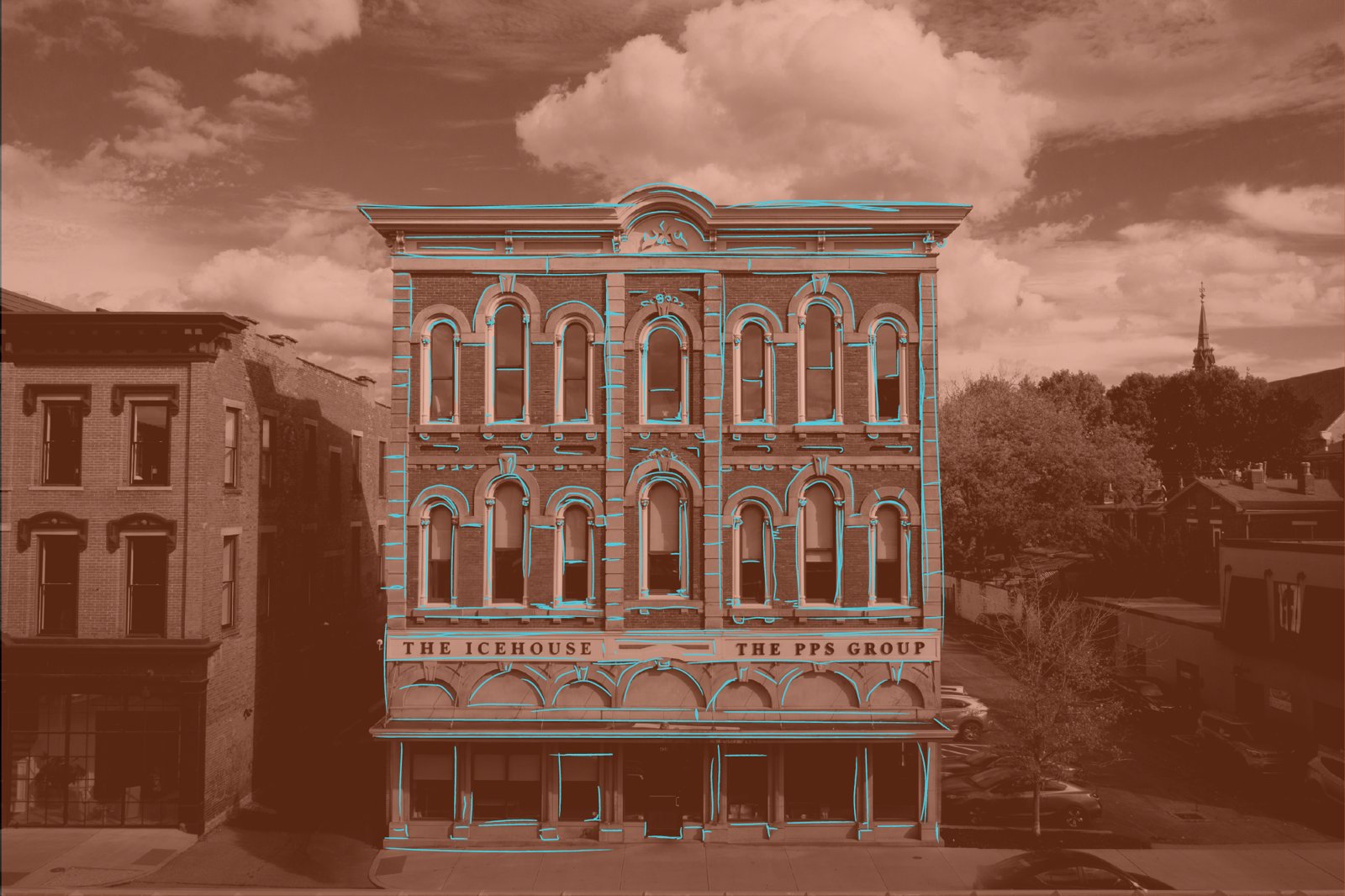
The answer isn’t another layered behemoth. It’s entities like Icehouse, where I recently joined as Head of Growth and Client Success.
Icehouse was built to strip away bureaucracy, junior-team bait-and-switches, and margin-padding bloat. Instead, it brings senior strategic and creative talent together with an embedded, 45-year-old production powerhouse. Rather than operating as a sprawling conglomerate that bills by the hour, it unites strategy, creative, and production around commercial decisions and consumer action.
Shops like Icehouse don’t need to replace a client’s in-house team. They can strengthen it: a senior, agile partner that plugs into the workflow, fills capacity gaps, and delivers high-craft work without the holding company drama.
Madison Avenue gave me a front-row seat to an incredible era in advertising. But the industry no longer runs on nostalgia or boardroom scale. Its future belongs to makers, pragmatists, and agile partners who value a client’s bottom line as much as the creative work.